Green poster paper and textured wall accents bring a grounded, calming energy into everyday spaces. These rich finishes draw inspiration from the natural world to make rooms feel more personal and inviting.
Using textured greens adds depth to plain surfaces without overwhelming the room. It gives you a great way to introduce color while keeping the overall mood relaxed and understated.
When planning your space, think about how much natural light the room gets. Lighter sage tones brighten dim corners, while deeper olive shades create a cozy, intimate atmosphere.
You can apply these earthy surfaces in many ways, from full accent walls to framed paper backdrops for your favorite shelves. Every approach offers a simple method to refresh your interior style.
Let us dive into a few creative ways to use these charming green textures throughout your home.
#1 Understanding Distressed Green Poster Paper Finishes
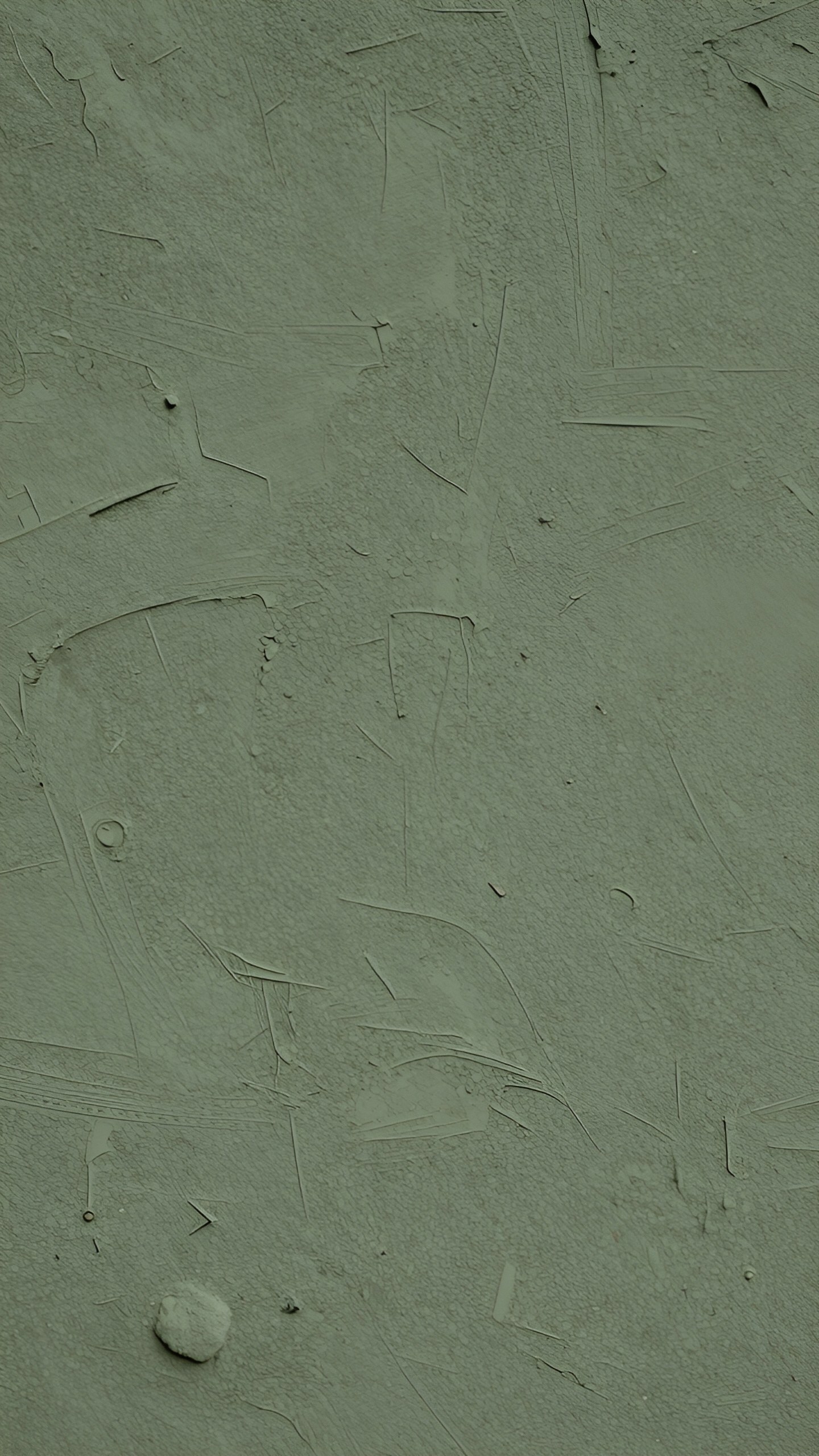
Distressed green poster paper uses a weathered, mottled finish to mimic old painted plaster or aged walls. This style adds visual depth to a room because the uneven surface catches light differently than flat paper. It brings a grounded, natural feel into your living space without requiring actual renovation work.
When picking a patterned green wallpaper for your home, consider how the room gets its natural light. Darker, heavily textured papers look great on a single accent wall where sunlight hits directly. Pair them with simple wooden furniture to keep the overall room feeling balanced and open.
#2 Using Relief Carvings in Vintage Green Poster Paper
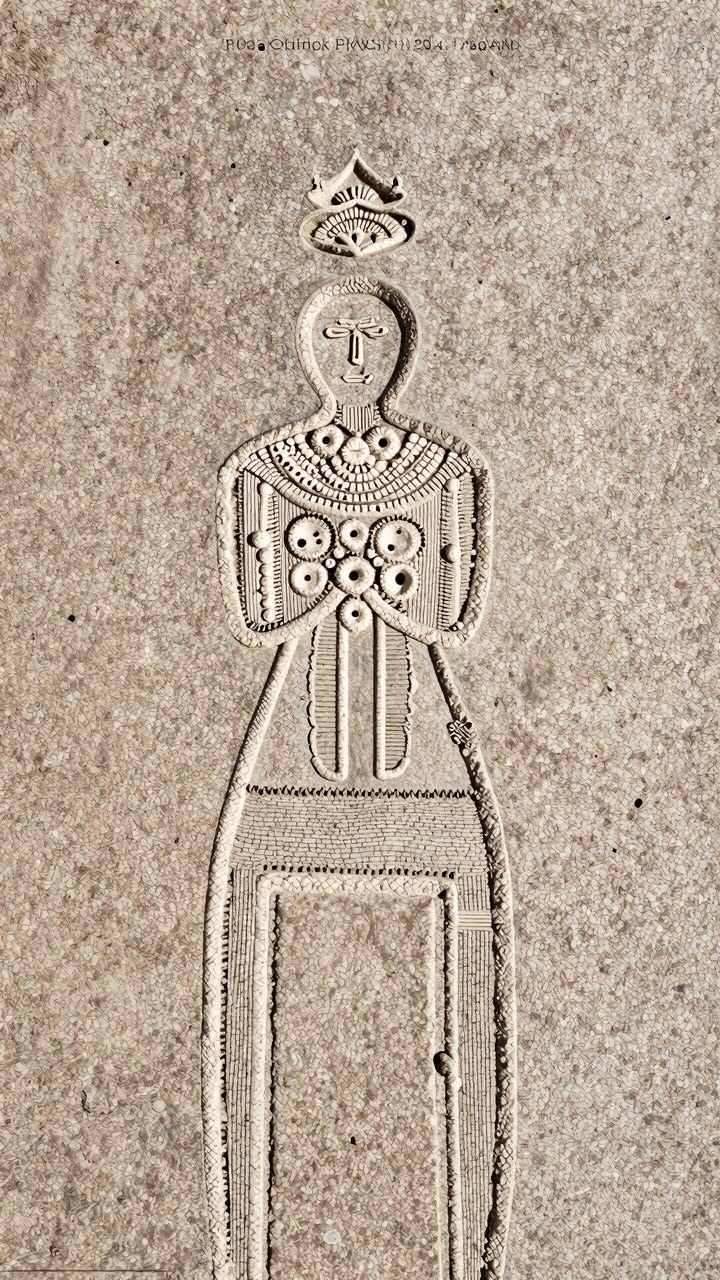
Incorporating relief carvings into vintage green poster paper adds a unique tactile dimension to interior walls. This approach succeeds because the raised motifs break up flat expanses, creating subtle shadows and depth. It brings an authentic historical character to a room without requiring heavy architectural updates, making vintage textured designs a smart choice for creative wall treatments.
This style works best for homeowners who want to introduce historic charm and artistic detail into a plain space. It is particularly useful in hallways or reading nooks where close-up visual interest matters. Expect a balanced mix of old-world craft and modern wall design that adds character to your home interior.
#3 Selecting Vertical Striped Green Poster Paper Designs
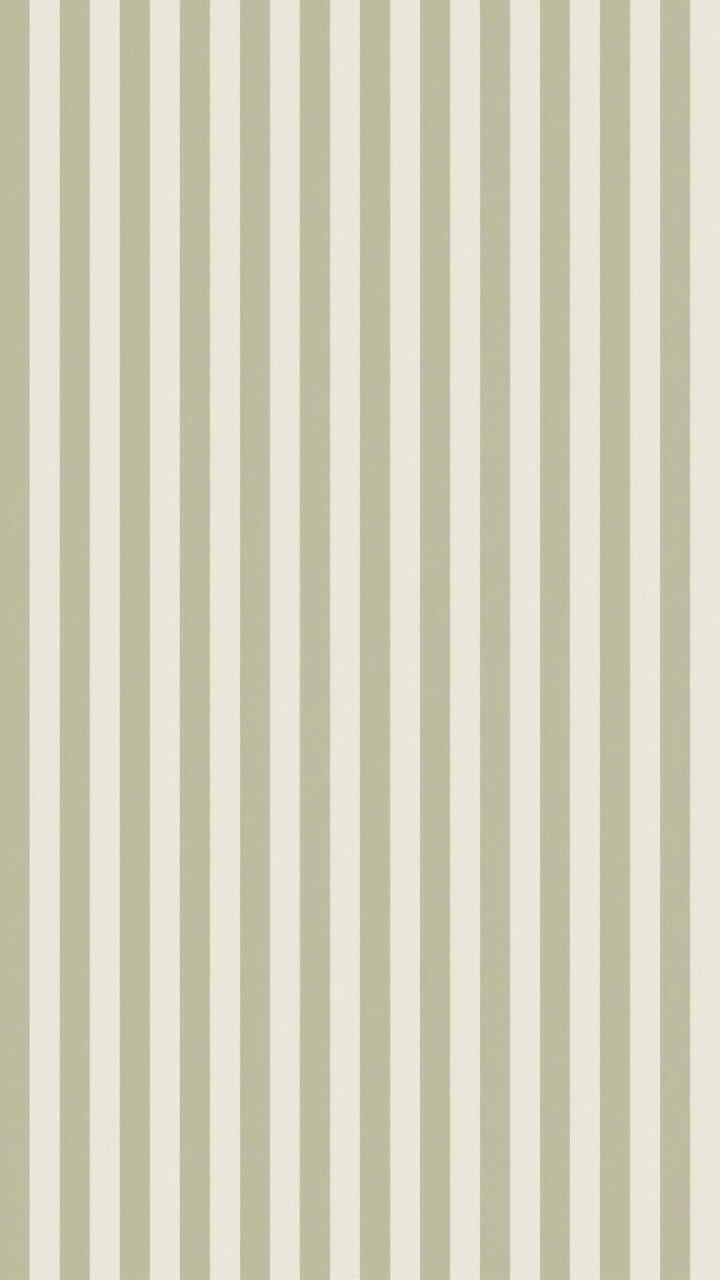
When picking striped green poster paper, think about line width and spacing first. Narrow stripes create a subtle texture from a distance, while wider bands make a bold statement in a small room. Match the stripe scale to your wall size so the pattern does not overwhelm the space.
You can customize this pattern by matching it with simple solid furniture or natural wood tones. If you have a tight budget, try using the striped paper on just one accent wall instead of the whole room. This approach saves time and materials while still giving your interior a fresh update.
#4 Caring for Gingham Checkered Green Poster Paper Walls
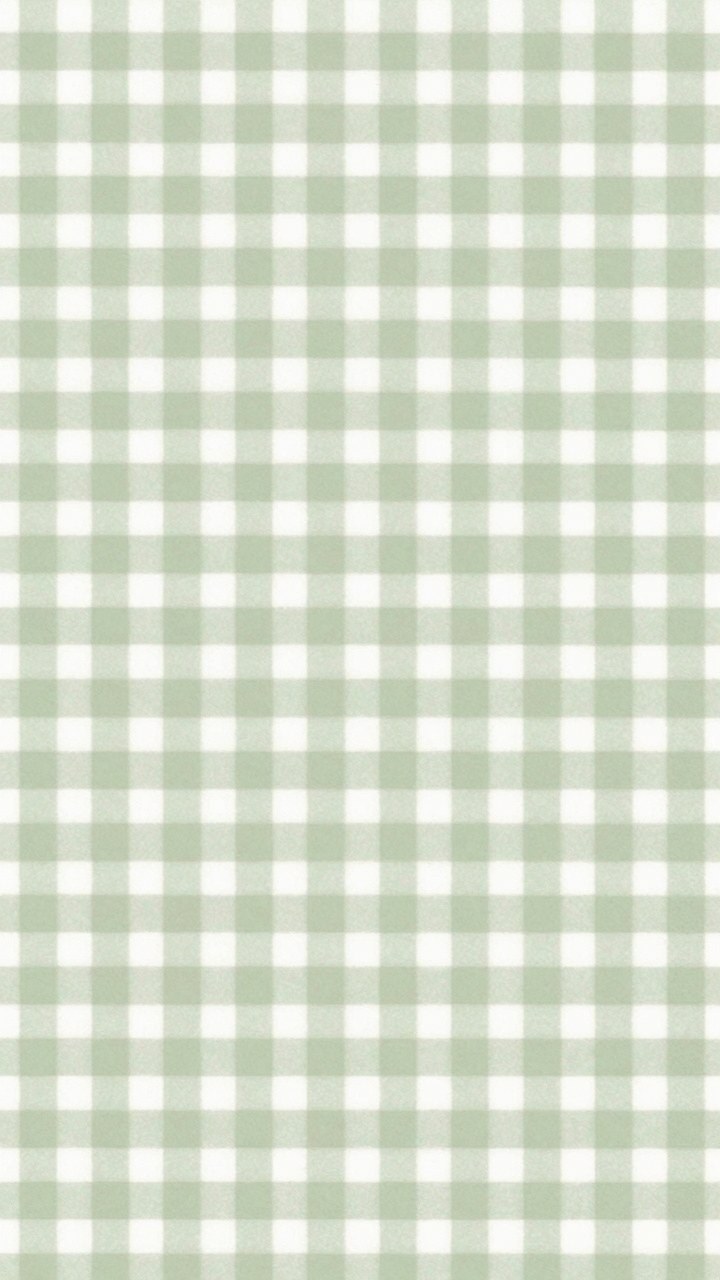
When installing gingham checkered green poster paper, matching pattern alignments at the seams requires careful measuring. Take your time to align the horizontal and vertical lines properly before smoothing the paper down. This extra preparation step ensures the grid pattern looks straight and clean across the entire wall surface, avoiding crooked lines that draw the eye.
To keep your green checkered paper clean, gently wipe dust away with a soft, dry microfiber cloth. Avoid using damp sponges or harsh chemical cleaners, as excess moisture can warp the paper or fade the pigment over time. If you need to remove a minor smudge, use a dry art eraser very lightly on the affected spot.
#5 Embracing Mottled Ground Texture in Green Poster Paper

If you want a moody and grounded backdrop, try using green poster paper with a mottled texture inspired by grassy fields. This style brings a natural, weathered look to your walls without needing heavy paint. It adds depth to a room and helps hide minor scuffs over time.
You can also test a sample piece behind a bookshelf before covering a whole wall. If solid green feels too dark for your space, look for variations that mix in lighter yellow or brown tones to keep the room feeling open and bright.