Choosing the right green paint colors for a home project can feel overwhelming when faced with countless little greene paint options at the hardware store. It is completely normal to stare at a wall of color cards and struggle to picture how a particular shade will look in your actual space.
The good news is that narrowing down your ideal shade comes down to understanding how natural light interacts with different undertones throughout the day. A calm, muted green can completely shift the mood of a room from chaotic to grounded without requiring a total overhaul of your furniture.
One useful principle is to test your favorite samples directly on the walls you plan to paint rather than relying purely on small paper swatches. Watching how the color changes from morning sun to evening shadow saves you time and prevents costly mistakes before you buy a full paint can.
Finding the right green paint colors often involves looking beyond just the main walls to consider how trim, window frames, and baseboards tie the whole room together. Thoughtful choices in finish and placement turn a simple paint job into a cohesive design statement.
Let us look at how different applications of green paint can bring fresh character to your walls, trim, and architectural details.
#1 Choosing Soft Sage Green Paint for Interior Walls

Soft sage green paint is a muted, grey-green shade that brings a calm and natural feel into a home. It works well because it acts almost like a neutral color, pairing easily with warm wood tones and crisp whites without overwhelming the room.
When testing paint samples, always paint a large square directly on the wall and observe how the light changes throughout the day. Sage paint can shift between looking more grey, blue, or green depending on the natural sunlight in your space.
#2 Adding Green Gingham Patterns to Your Home Decor
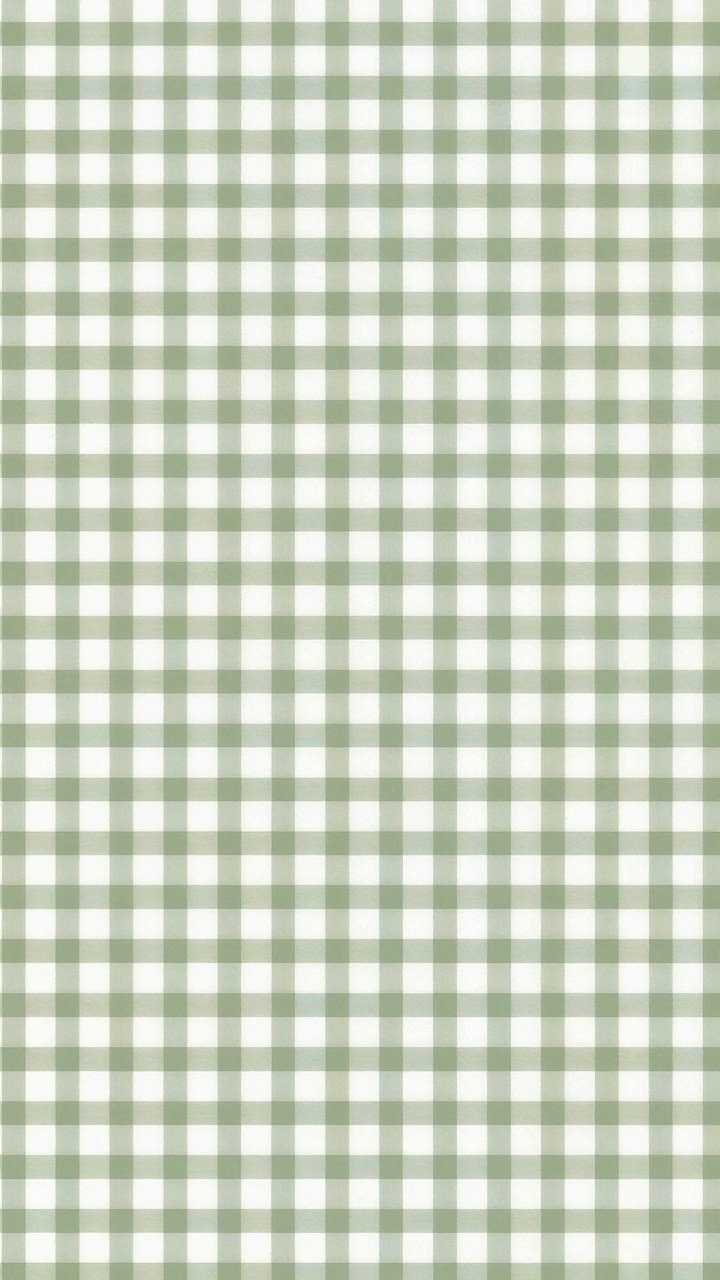
Bringing a green gingham pattern into your home design adds instant charm and visual structure. The symmetrical grid creates a sense of order while the natural color tone keeps the space feeling grounded and calm. It works well because the classic pattern adds personality without overwhelming the room, making it easy to pair with solid colors and natural wood textures.
This design choice suits anyone wanting to create a cozy, welcoming atmosphere in casual living areas, kitchens, or breakfast nooks. You can use it on accent pillows, tablecloths, or wallpaper to break up large blocks of solid color. Expect the space to feel more cheerful and neatly styled once you introduce this balanced geometric print.
#3 Selecting Olive Green Paint for Accent Walls

Deciding on an olive green shade for a wall requires looking closely at your room’s natural daylight. Warm light brings out golden undertones in the paint, while cool north-facing windows make the color look much deeper and moodier. Paint a large sample board and move it around the room across different hours to see how the pigment shifts before you commit to buying gallons.
If you want to test the color without painting a full room, try starting with a small accent wall behind a bookshelf or inside a entryway nook. This lets you see how the green interacts with your existing furniture and flooring on a budget. You can easily switch to a different finish or color later if the shade feels too heavy for the space once your larger decor pieces are in place.
#4 Maintaining Light Gray Green Walls in High Traffic Rooms

Light gray green paint offers a subtle, earthy backdrop that hides everyday dust much better than pure white. To keep the finish looking fresh over time, apply a washable satin or eggshell paint finish. This allows you to wipe away scuffs and fingerprints easily without wearing down the protective topcoat or leaving shiny patches on the wall.
When cleaning these painted surfaces, always use a soft microfiber cloth and mild dish soap mixed with warm water. Avoid harsh chemical cleaners or abrasive scouring pads that can strip the paint sheen. Always test your cleaning solution on a small, hidden corner near the baseboard first to make sure the paint color and finish stay completely protected.
#5 Decorating with Earthen Sage Green Paint

If you want to bring a calm and grounded feel to a room, try painting your walls with an earthen sage green. This muted shade works well because it mimics natural foliage, helping to create a peaceful environment where you can easily relax after a long workday.
If a full room coat feels like too much commitment, consider painting just the lower half of your walls with wainscoting. You can keep the upper section a crisp off-white to balance the depth of the green and keep the space feeling bright.